Kontaktirajte nas
Vaša email adresa neće biti objavljena. Obavezna polja su označena *


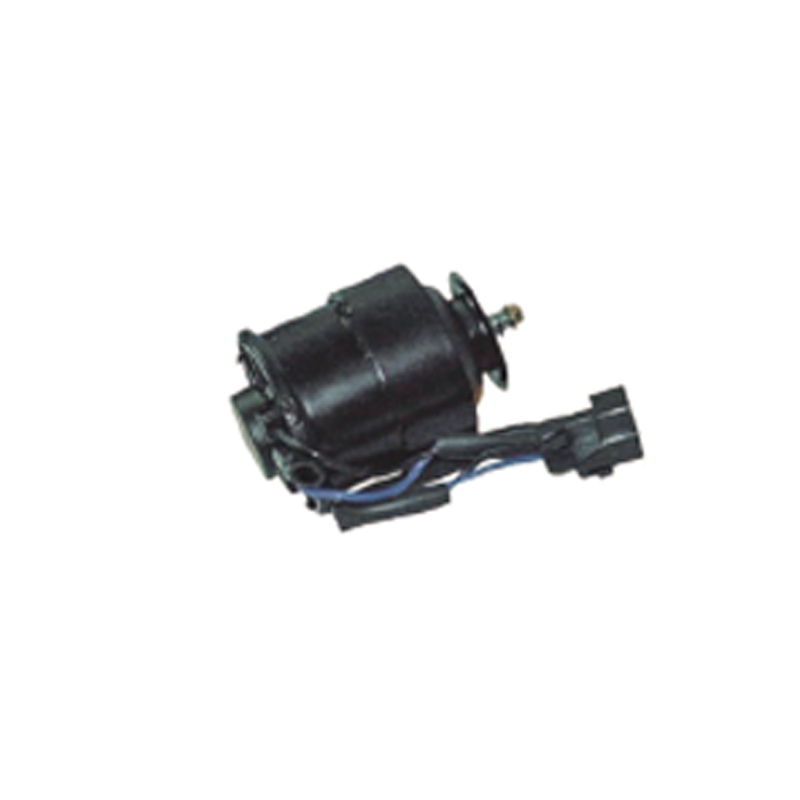
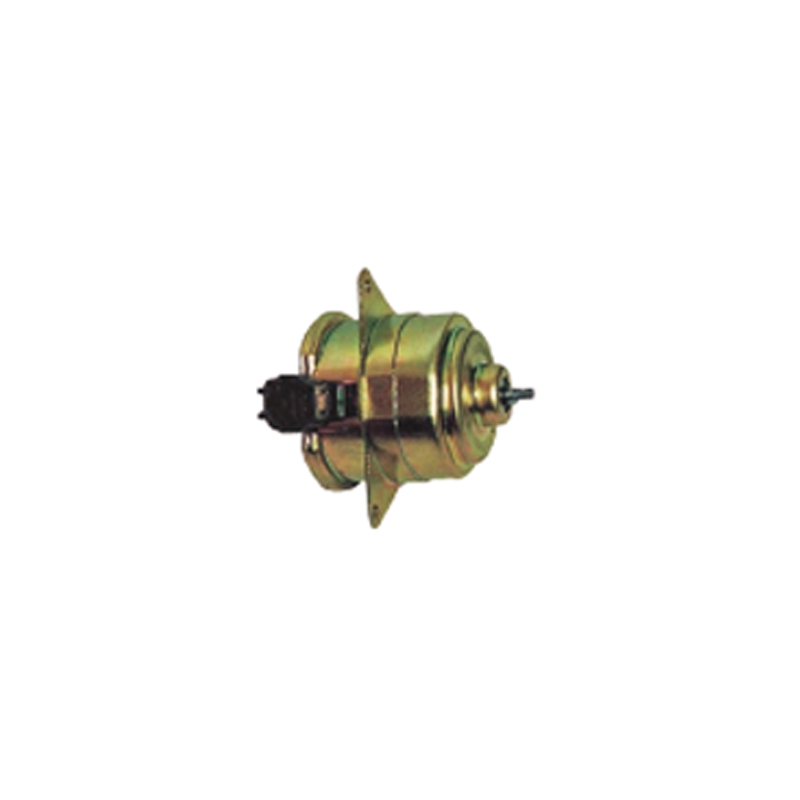
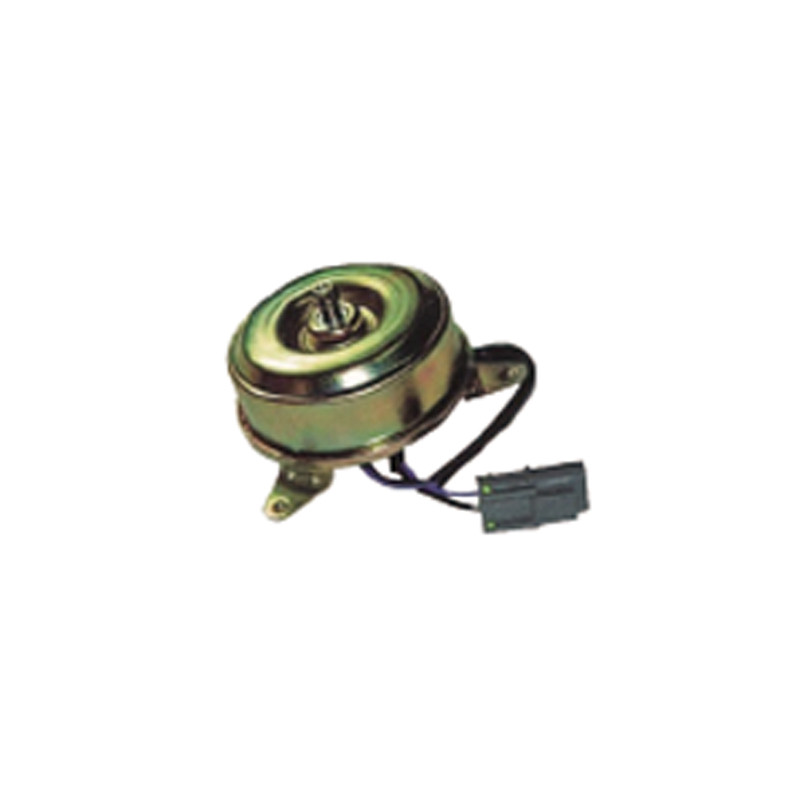
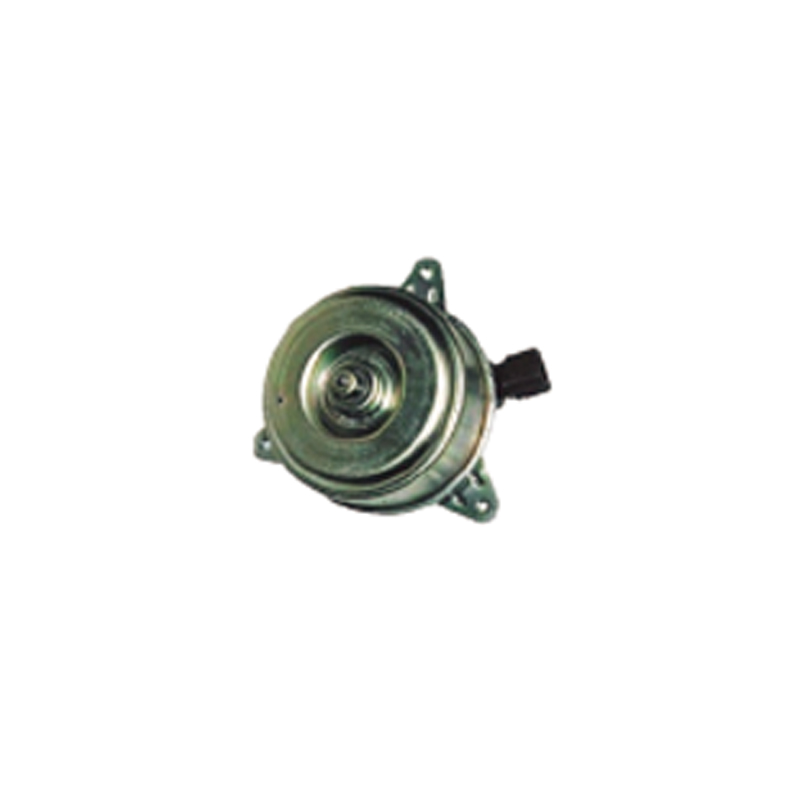
In the daily use of electronic equipment and household appliances, brushless electronic fans are an important part of heat dissipation, and their performance and noise level are directly related to the user experience. However, traditional brushless electronic fans often produce certain noise due to the limitations of the motor structure, affecting the overall quietness. Reducing the noise of brushless electronic fans by improving the motor structure has become an important way to improve product quality.
1. The impact of motor structure on noise
The noise of brushless electronic fans mainly comes from the operation of the motor. The brushes and commutators inside the motor will produce friction during the contact process. At the same time, the imbalance of the motor rotor and the wear of the bearings will also cause vibration, which will generate noise. In addition, the air flow inside the motor, the change of the electromagnetic field, etc. will also affect the noise level.
2. Strategies for improving motor structure
1. Optimize the bearing system
The bearing is a key component in the motor that supports the rotor and reduces friction. Traditional bearing systems may cause increased noise due to poor material, lubrication or insufficient processing accuracy. Therefore, the use of high-quality bearing materials, such as ceramic ball bearings, can significantly reduce friction and wear, thereby reducing noise. At the same time, regular inspection and replacement of bearing lubricants to maintain good lubrication of bearings is also an effective means to reduce noise.
2. Balancing the motor rotor
The imbalance of the motor rotor is one of the main causes of vibration and noise. Through precise dynamic balancing test and adjustment, it can ensure that the motor rotor remains stable at high speed rotation, reducing the vibration and noise caused by imbalance. In addition, the use of advanced processing technology and materials to improve the manufacturing accuracy and rigidity of the rotor can also effectively reduce noise.
3. Improve the design of brushes and commutators
The contact quality between the brush and the commutator directly affects the running smoothness and noise level of the motor. Traditional brushes may cause poor contact or increased wear due to inappropriate materials, shapes or sizes, thereby generating noise. Therefore, by optimizing the material, shape and size of the brush, and improving the surface treatment and structural design of the commutator, the friction and wear between the brush and the commutator can be reduced, and the noise can be reduced.
4. Electromagnetic field optimization design
The change of the electromagnetic field of the motor is also one of the factors that generate noise. By optimizing the electromagnetic design of the motor, such as adjusting the number of poles, changing the winding layout, optimizing the flux path, etc., the vibration and noise caused by the change of the electromagnetic field can be reduced. In addition, the use of advanced electromagnetic simulation technology to accurately design and predict the motor can further improve the rationality and accuracy of the electromagnetic design.
3. Implementation effect and future prospects
Through the above-mentioned strategy of improving the motor structure, the noise level of the brushed electronic fan can be significantly reduced. This not only improves the product experience, but also meets the user's pursuit of high-quality life. At the same time, with the advancement of science and technology and the continuous improvement of manufacturing technology, more innovative designs and technologies will be applied to the improvement of motor structure in the future to further reduce the noise level of brushed electronic fans.
The use of advanced noise control technology, such as a combination of active noise reduction and passive noise reduction, can reduce noise to a greater extent. In addition, with the continuous development of brushless motor technology, brushed electronic fans may gradually be replaced by more efficient and quieter brushless electronic fans. But in any case, the strategy of improving motor structure to reduce noise will continue to play an important role and promote the continuous progress and development of electronic heat dissipation technology.

Vaša email adresa neće biti objavljena. Obavezna polja su označena *

Zhejiang Nicety Electric Machinery Co., Ltd. specijalizirana je za proizvodnju četiri serije proizvoda: elektronički ventilator kondenzatora, ventilator hladnjaka (spremnika za vodu), puhalo i sklop klima uređaja. Profesionalna proizvodnja američkih, europskih, japanskih, korejskih i domaćih marki DC aksijalni ventilatori za automobile.
Email: [email protected] / [email protected]
Tel: +86-0578-7125439 / +86 181 0658 9231
Address:No. 98, Guangda Street, Jinsha Industrial Zone, Longquan City, Zhejiang Province, Kina